
As electric vehicles (EVs) become increasingly popular, understanding the different types of chargers available is essential for making an informed choice. Two primary types of chargers are single-phase and three-phase chargers. Both have distinct features, advantages, and are suited to different settings and vehicle needs. This article will help explain these differences in a human-friendly way, integrating EV charging into daily life considerations.
Single-Phase EV Charging Explained
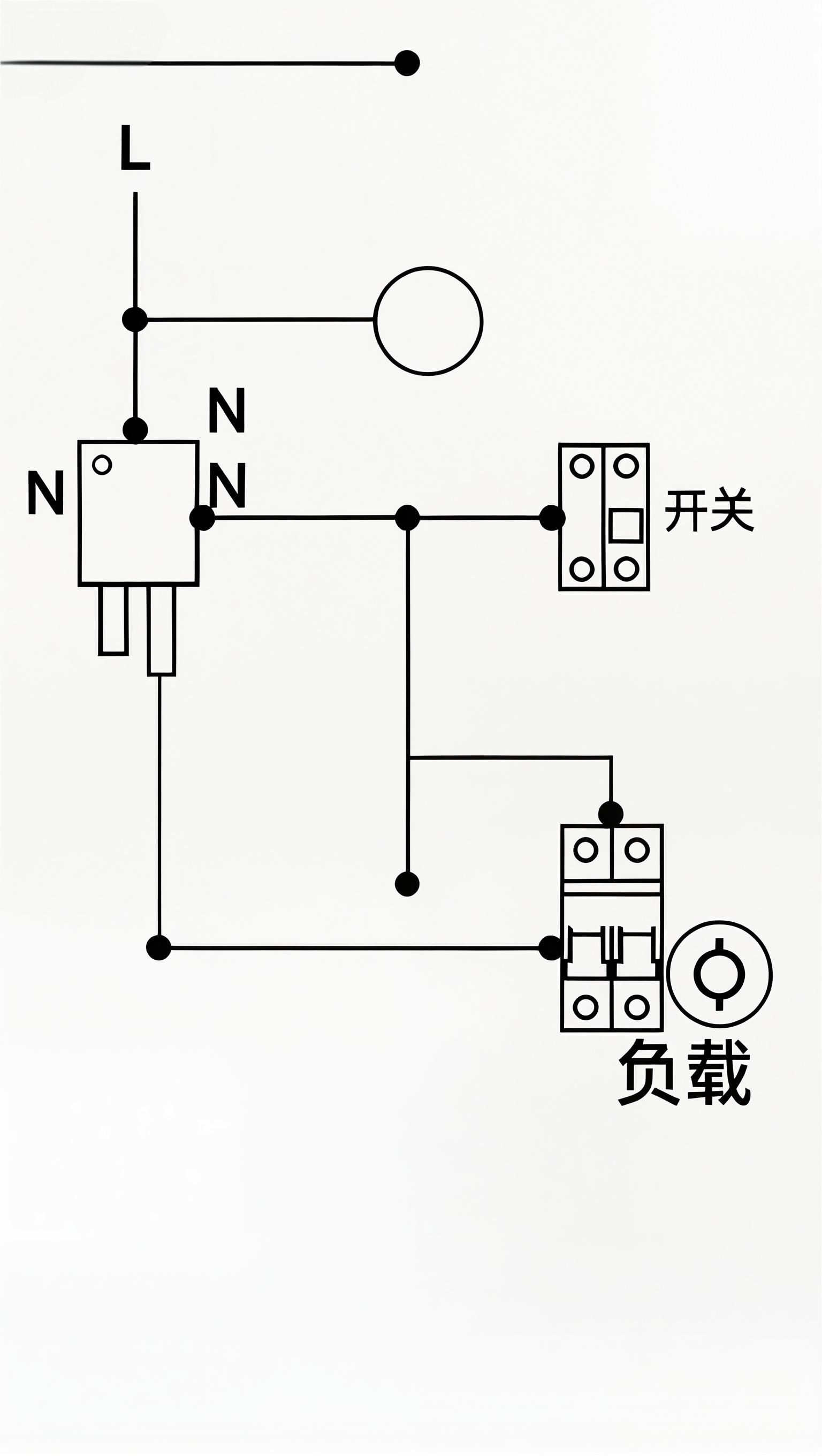
Single-phase charging is the most common and widely used type, especially for residential settings. It operates using a single hot wire and a neutral wire, delivering electricity typically at 230 volts. This setup is standard in most homes, and single-phase chargers can provide power ranging from around 3.7 kW up to about 7.4 kW. This level of charging power is usually sufficient for overnight charging sessions, allowing drivers to wake up with a fully charged EV ready for the day ahead. For people with average daily driving distances and medium-sized EV batteries, single-phase chargers offer a convenient and cost-effective solution. The installation tends to be straightforward, requiring minimal upgrades to home electrical systems, making it an accessible option for most EV owners.
Three-Phase EV Charging Overview
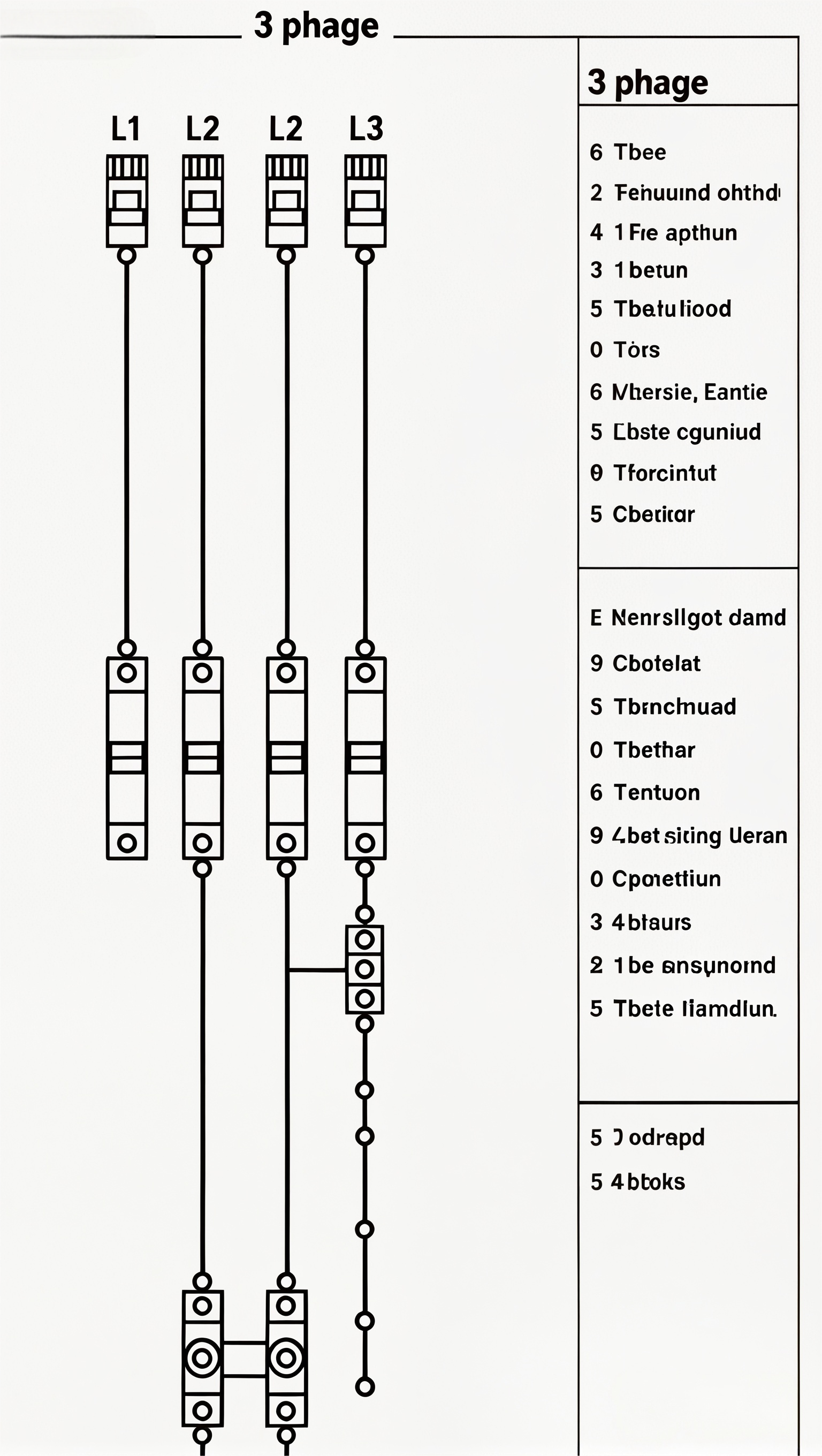
On the other hand, three-phase charging employs three conducting wires, each carrying current at phases offset by 120 degrees. The voltage between phases is typically around 400 volts, allowing this system to deliver considerably more power than single-phase setups. Three-phase chargers can supply power up to 22 kW or even higher, which means the charging speed can be roughly three times faster than single-phase chargers. This makes three-phase charging particularly attractive for users with large battery EVs, commercial fleets, or those who need to recharge quickly to resume driving within a short timeframe. Although three-phase chargers may require professional installation and possibly upgrades to a home or facility’s electrical infrastructure, the benefits in reduced charge times and grid efficiency can be significant.
Practical Differences for EV Owners
Why does this matter for EV owners personally? Consider a daily routine: a driver using a single-phase charger can typically replenish their EV’s 60 kWh battery overnight in about 6 to 8 hours. While this is fine for regular commuting, it can be inconvenient if a longer trip suddenly arises or if two cars need charging simultaneously in the same household. A three-phase charger can reduce that recharge time to roughly 2 to 3 hours, which offers much more flexibility for busy lifestyles or commercial operations. Additionally, three-phase charging balances the electrical load better across the power grid, reducing the risk of power spikes or outages, and improving the longevity of the home’s wiring and electrical appliances.
Future of Home and Workplace Charging
Looking forward, three-phase charging is often viewed as a way to future-proof homes and workplaces. As more households acquire multiple EVs or move toward faster charging capabilities, having three-phase power infrastructure can support these demands without frequent costly upgrades. Moreover, with the rise of renewable energy integration, such as solar panels and battery storage, three-phase charging supports better energy management by handling larger distributed energy inputs efficiently.
Choosing Between Single-Phase and Three-Phase Chargers
In summary, single-phase chargers are typically the best choice for most residential users who charge their EVs overnight and do not need rapid charging speeds. They provide essential convenience and affordability, fitting well into a typical home’s electrical system. Three-phase chargers, conversely, offer faster charging, improved energy efficiency, and scalability but come with higher installation costs and the need for three-phase electrical supply, which might currently be uncommon in many homes.
Choosing between these two charger types depends on factors such as charging speed needs, the number of vehicles to charge, existing electrical infrastructure, and budget. Understanding these factors helps EV owners make smart decisions that optimize convenience, cost, and energy use. Ultimately, whether driving a compact city EV or a larger luxury model, the right charger can enhance the electric vehicle ownership experience tremendously.