Electric vehicles (EVs) are rapidly becoming mainstream across the US and Europe. With EV adoption accelerating, tenants are increasingly seeking rental properties that offer convenient home charging. For landlords and property managers, installing the right EV charger is both a meaningful amenity upgrade and a strategic investment.
This guide walks you through every key decision point when selecting an EV charger for a rental property — from understanding charge levels and power ratings to smart features and regulatory requirements. We also provide an objective comparison of leading brands, and highlight where Feyree's product lineup fits across different property types.
1. Understanding EV Charging Levels
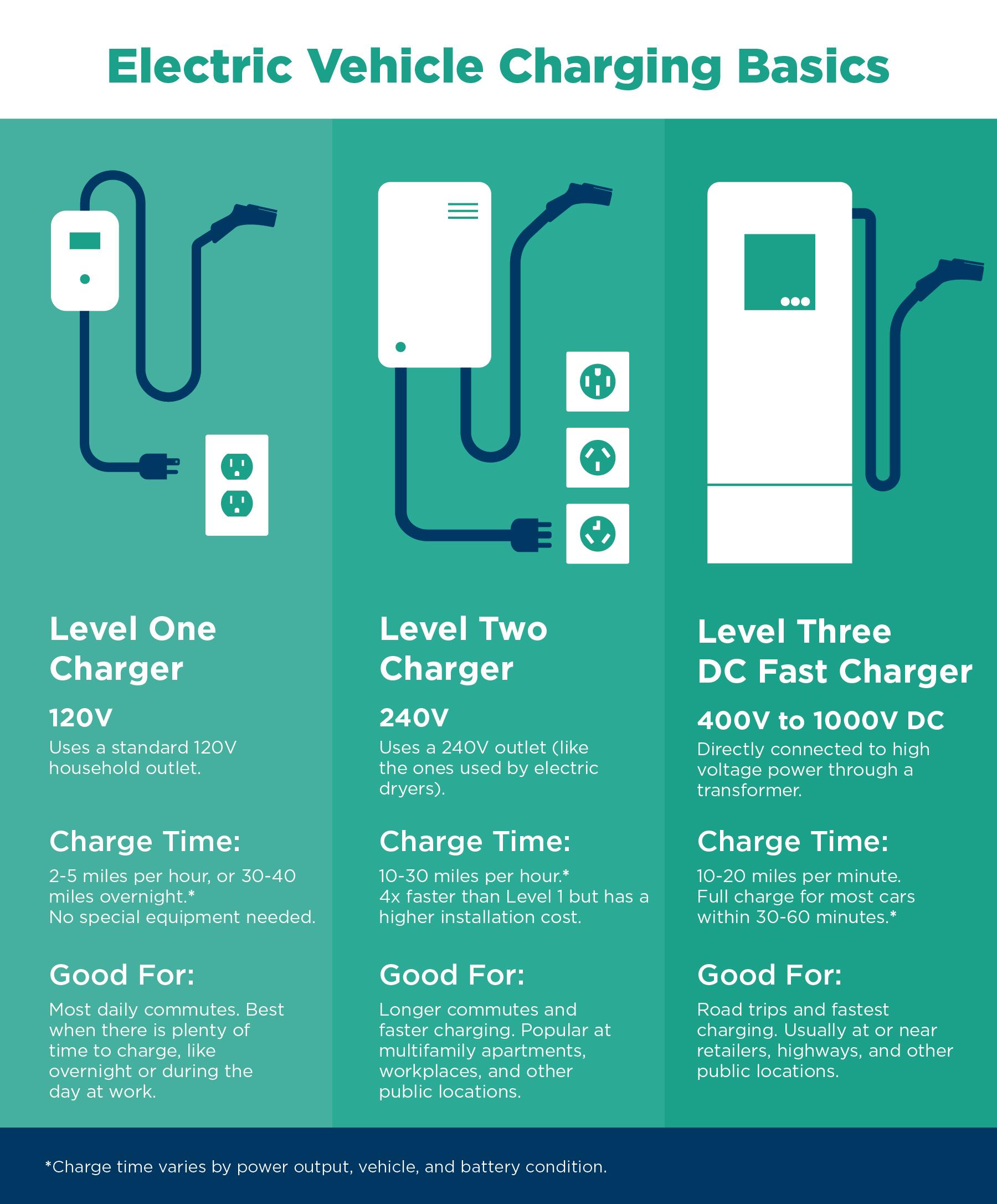
Before selecting a charger, it is essential to understand the three charging levels and their practical implications for rental properties.
Level 1 — Standard Outlet (120V / 230V AC)
Level 1 charging uses a standard household outlet and requires no special installation. It adds roughly 3–5 miles (5–8 km) of range per hour.
• Pros: Zero installation cost; plug-and-play convenience
• Cons: Takes 40–50+ hours to fully charge a typical EV; impractical as a primary solution
• Best for: Transitional or backup use in properties with minimal electrical flexibility
Level 2 — Dedicated EV Charger (7kW–22kW AC)
Level 2 is the standard for residential rental properties. It requires a dedicated 240V circuit (US) or single/three-phase supply (EU/UK), and delivers 25–75 miles (40–120 km) of range per hour — enough for a full overnight charge.
• Pros: Fast and reliable; equipment $400–$1,500 plus typical installation $300–$1,000
• Cons: Professional installation required; older buildings may need a panel upgrade
• Best for: The vast majority of rental properties — the optimal balance of cost, speed, and tenant satisfaction
Level 3 — DC Fast Charging (50kW+)
DC fast chargers can charge an EV to 80% in 20–60 minutes, but equipment and installation costs range from $12,000 to $35,000+. They are best suited for commercial parking facilities, not residential rentals.
Recommendation: Level 2 charging is the clear choice for residential rental properties in both the US and Europe. All Feyree Wallbox and portable chargers operate at Level 2.
2. Key Selection Criteria for Rental Properties
2.1 Property Type and Installation Context
• Single-Family Rental Home: A wall-mounted Wallbox in a garage or driveway is the most common and seamless solution.
• Multi-Unit Apartment Building: Shared infrastructure needs billing management and load balancing to prevent electrical overload across units.
• Short-Term / Vacation Rental (e.g. Airbnb): A portable, app-controlled charger can serve multiple properties and be moved between locations as needed.
• Mixed-Use Commercial Property: May benefit from a higher-power (22kW) Wallbox with network management capabilities.
2.2 Choosing the Right Power Output
|
Power Output |
Supply |
Best Use Case |
Charge Speed (approx.) |
|
7kW |
Single-Phase 32A |
Single-family homes, low-density apartments |
~25 mph / ~40 km/h |
|
11kW |
Three-Phase 16A |
Mid-density apartments, shared parking |
~40 mph / ~65 km/h |
|
22kW |
Three-Phase 32A |
High-density apartments, commercial use |
~75 mph / ~120 km/h |
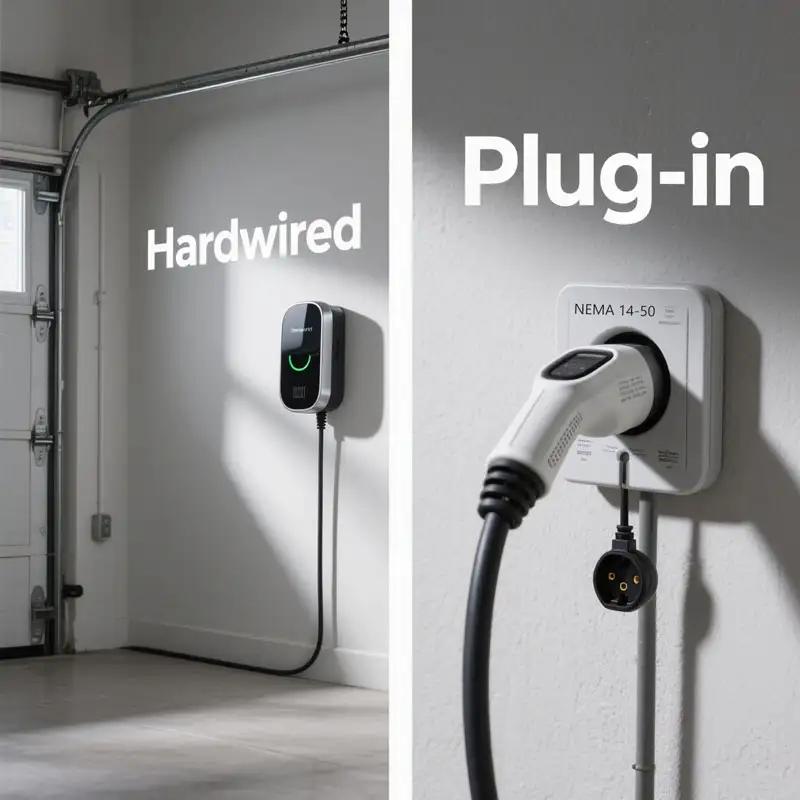
2.3 Wall-Mounted Wallbox vs. Portable Charger
|
Factor |
Wallbox (Fixed) |
Portable Charger |
|
Installation |
Requires professional electrician; fixed asset |
Plug-and-play; no structural modifications |
|
Flexibility |
Assigned to one parking bay |
Can be moved between properties or tenants |
|
Power Range |
Up to 22kW |
3.5kW–22kW depending on model |
|
Best for |
Long-term, stable tenancies |
Short-term lets, multi-property portfolios |
|
Upfront Cost |
Higher (hardware + installation) |
Lower (hardware only) |
|
Tenant Experience |
Seamless; always ready |
Slightly more manual; tenant manages cable |
2.4 Smart Features That Matter for Rental Management
• Dynamic Load Balancing (DLB): Distributes available power across multiple charging points, preventing electrical overload without requiring panel upgrades. Essential for multi-unit properties.
• App Remote Control & Monitoring: Allows landlords to remotely check charging status and energy consumption — critical for billing and dispute resolution.
• Off-Peak Scheduling: Tenants can automatically start charging during lower-tariff overnight hours, reducing electricity costs.
• Charging History & Energy Reporting: Accurate kWh records per session enable transparent electricity cost recovery from tenants.
• Weatherproofing (IP65/IP66 Rated): Outdoor parking bays demand robust dust and water resistance — especially in northern Europe and coastal US regions.
• Universal Connector Compatibility: Properties with diverse tenants — including Tesla (NACS), J1772, and Type 2 EV owners — benefit from multi-standard chargers.
2.5 Cost Structure and Available Incentives
|
Region |
Incentive Program |
Typical Benefit |
|
United States |
Federal Alternative Fuel Vehicle Refueling Property Credit (30C) |
Up to 30% of hardware & installation cost |
|
California |
CPUC / PG&E EV Charging Programs for Multi-Unit Dwellings |
Rebates up to $4,500 per charger for landlords |
|
United Kingdom |
EV Chargepoint Grant (OZEV) |
Up to £350 per charger for rental properties |
|
Germany |
KfW Program 440 |
Subsidies for residential EV charging infrastructure |
|
France |
ADVENIR Program |
Rebates for charger installation in collective housing |
|
Netherlands |
ISDE Subsidy |
Support for home and small business EV infrastructure |
Note: Incentive programs change frequently. Always verify current eligibility and amounts with the relevant government body or local utility provider before purchasing.
3. Objective Brand Comparison
The Level 2 EV charger market includes a number of established brands, each with distinct strengths. The table below offers a side-by-side comparison across the dimensions most relevant to rental property deployment.
|
Brand |
Power Range |
Smart App |
IP Rating |
Load Balancing |
Primary Market |
|
Feyree |
3.5kW–22kW |
Tuya / Smart Life |
IP65/IP66 |
Yes (Wallbox range) |
Global / EU / US |
|
ChargePoint |
7.2kW–19.2kW |
ChargePoint App |
NEMA 4 |
Yes, select models |
US (Network-focused) |
|
JuiceBox |
32A–48A |
JuiceNet App |
NEMA 4 |
Yes, JuiceNet Pro |
US residential |
|
Wallbox |
7.4kW–22kW |
myWallbox App |
IP54/IP65 |
Yes, Pulsar Plus |
EU / US |
|
Ohme |
7.4kW |
Ohme App |
IP55 |
No |
UK / Ireland |
|
Grizzl-E |
6.1kW–11.5kW |
Basic, no App |
NEMA 6-50 |
No |
US / Canada |
Notes on each brand:
• ChargePoint is a leader in the US commercial EV charging network ecosystem, with strong backend management for multi-site operators. Subscription fees may apply for advanced features.
• JuiceBox (owned by BP Pulse) offers excellent energy management tools and is popular among US homeowners for time-of-use charging and utility integration.
• Wallbox is a Barcelona-based brand with broad EU compatibility. The Pulsar Plus is widely used in European residential and rental contexts for its compact form factor.
• Ohme integrates with smart electricity tariffs such as Octopus Energy, which can significantly reduce charging costs for UK tenants.
• Grizzl-E prioritises durability over smart features, making it suitable for landlords who prefer a simple, set-and-forget solution in harsh climates.
• Feyree offers one of the broadest power ranges in a single product family — 3.5kW to 22kW — with full app integration, multi-standard connector support (Type 2, J1772, NACS, GB/T), and IP66 weatherproofing across most of its lineup.
4. Feyree Product Range for Rental Properties
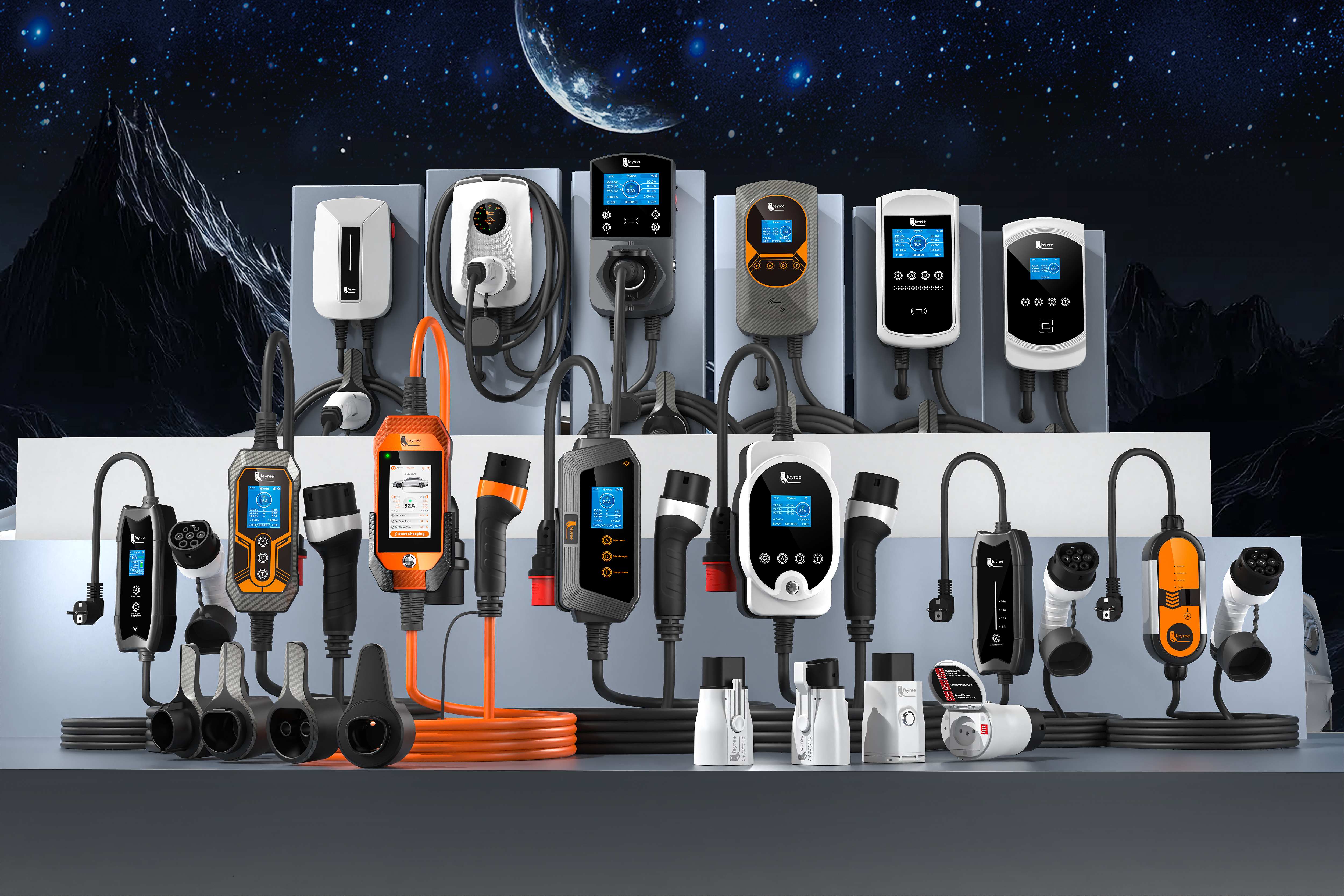
Feyree offers a complete charging product line — from compact portable units to full-featured wall-mounted Wallboxes. All products carry CE and FCC certification, Type B RCD protection (AC 30mA + DC 6mA), TUV-certified cables, and IP65/IP66 enclosures.
4.1 Wallbox Series — Fixed Installation
|
Product |
Power |
Key Features |
Best For |
|
Feyree Gemini Wallbox |
7.6 / 11 / 22kW |
Dynamic Load Balancing, 3-phase, local button control, no app required |
Single-family homes and straightforward rentals |
|
Feyree Taurus Wallbox |
7.6 / 11 / 22kW |
App control (Tuya), Dynamic Load Balancing, off-peak scheduling, remote monitoring |
Multi-unit apartments needing smart management |
|
Feyree Pisces Wallbox |
7.6 / 11 / 22kW |
4.3-inch LCD screen, real-time voltage/current/power display, charging history via app |
Property managers who need full usage visibility |
|
Feyree Draco EV-PRO |
22kW 32A |
Supports NACS, J1772, Type 2, GB/T; 1-phase/3-phase auto-adaptive; app control |
Premium properties with diverse or international tenants |
4.2 Portable Charger Series — Flexible Deployment
|
Product |
Power |
Key Features |
Best For |
|
Feyree Lion King Ultra |
7 / 11kW |
4.3-inch touchscreen, WiFi + Bluetooth, IP66, wall-mount or portable use, scheduling |
Short-term rentals and multi-property landlords |
|
Feyree Hero Series |
7 / 11 / 22kW |
WiFi + Bluetooth dual-mode, CEE plug, remote app control, three power variants |
Flexible cross-property deployments |
|
Feyree Master |
7 / 11 / 22kW |
Switchable between three power levels from one unit; Bluetooth + WiFi app control |
Older buildings with inconsistent electrical capacity |
|
Feyree Flying Cat |
3.5kW |
Lightweight, plug-and-play, adjustable current 8A–16A, 5m cable, no app required |
Budget-conscious landlords or Level 1 upgrades |
Safety standards across all Feyree products: CE and FCC certified; Type B leakage protection (AC 30mA + DC 6mA); overcurrent, overvoltage, undervoltage, overtemperature, and ground fault protection; TUV Rheinland certified TPU cables with 99.95% pure copper conductors; IP65 or IP66 rated enclosures.
5. Decision Framework
Use this table to identify the most appropriate configuration based on your property type.
|
Property Type |
Recommended Power |
Recommended Feyree Product |
Key Rationale |
|
Single-family rental (long-term) |
7–11kW Wallbox |
Taurus or Gemini Wallbox |
Fixed install, app monitoring, reliable overnight charging |
|
Multi-unit apartment (4+ units) |
11–22kW Wallbox + DLB |
Pisces or Taurus with DLB |
Load balancing prevents overload; enables per-unit billing |
|
Short-let / Airbnb property |
7kW Portable |
Lion King Ultra Portable |
Portable between properties; app control; tenant-friendly |
|
Older or historic building |
3.5–7kW Portable |
Flying Cat or Master (7kW mode) |
No panel upgrade needed; adjustable for constrained circuits |
|
Premium international rental |
22kW Universal Wallbox |
Draco EV-PRO |
Supports NACS, J1772, Type 2, GB/T — works for any tenant |
|
Budget-focused landlord |
3.5–7kW Portable |
Flying Cat |
Minimal upfront cost; no installation; immediate deployment |
6. Installation and Legal Compliance
6.1 Pre-Installation Checklist
• Have a licensed electrician assess panel capacity and identify whether an upgrade is needed.
• Confirm cable run distance from panel to parking bay to minimise voltage drop.
• Outdoor installations require IP65 or higher. Cold-climate markets (Canada, Scandinavia) should look for chargers rated to at least -30°C / -22°F.
• In multi-unit buildings, determine whether the charger will be dedicated to one unit or shared, and plan access controls accordingly.
• Define electricity cost responsibility, charger ownership, and end-of-tenancy terms clearly in the lease agreement.
6.2 Regulatory Environment — United States
• California (Civil Code 1947.6): Landlords may not unreasonably deny a tenant's written request to install an EV charger in their designated parking space.
• New York, Colorado, Florida, and others: Have enacted similar right-to-charge provisions protecting tenants who wish to install chargers at their own expense.
• National Electrical Code (NEC) Article 625: Governs EV charging equipment installation, including circuit requirements, GFCI protection, and clearance distances.
6.3 Regulatory Environment — Europe
• EU Alternative Fuels Infrastructure Regulation (AFIR): Requires member states to expand residential EV charging infrastructure, with implications for multi-unit buildings.
• UK Part S (Building Regulations): New residential buildings and those undergoing major renovation must include EV charging infrastructure.
• Germany, France, Netherlands: National programs provide rebates and mandate EV charging readiness in new and renovated residential properties.
Important: Always obtain written permission from the relevant freeholder, management company, or body corporate before installing a charger in a leasehold or shared property. Engaging a certified OZEV (UK) or IRVE (France/EU) installer may be required to qualify for government rebates.
7. Summary
EV charging is transitioning from a premium differentiator to an expected standard feature in rental properties across the US and Europe. Acting now gives landlords a competitive advantage while government incentives remain available.
Key steps: assess your property type and electrical infrastructure; match power output to realistic tenant needs; prioritise smart features for management efficiency; and explore federal, state, and local incentive programs to offset costs.
Feyree's product range — spanning 3.5kW to 22kW, supporting all major plug standards, and featuring robust smart management through the Tuya / Smart Life ecosystem — provides a flexible and cost-effective solution across the full spectrum of rental property scenarios. Competitor brands such as ChargePoint, JuiceBox, Wallbox, and Ohme each have their own strengths; the best choice depends on the specifics of your property, your tenants, and your market.