
You can charge an electric vehicle (EV) at home using a regular power outlet, but there are important considerations regarding charging speed, safety, and practicality. This article explains how home charging with a standard outlet works, its limitations, safety tips, and better alternatives to help you understand the best way to power your EV at home.
Charging an EV with a Regular Home Outlet
Most homes have standard power outlets rated for 110-120 volts (in North America) or 220-240 volts (in many other countries) with a current limitation of around 10-15 amps. When you plug an EV charger into such an outlet, it can deliver a low-power charge, usually around 1.4 to 3.3 kilowatts of electricity.
This means while you can charge your EV with a regular outlet, the charging speed will be slow. For example, a typical EV might gain about 3 to 5 miles (5 to 8 kilometers) of range per hour of charging from a standard outlet, which is enough for overnight charging if you don't drive long distances daily.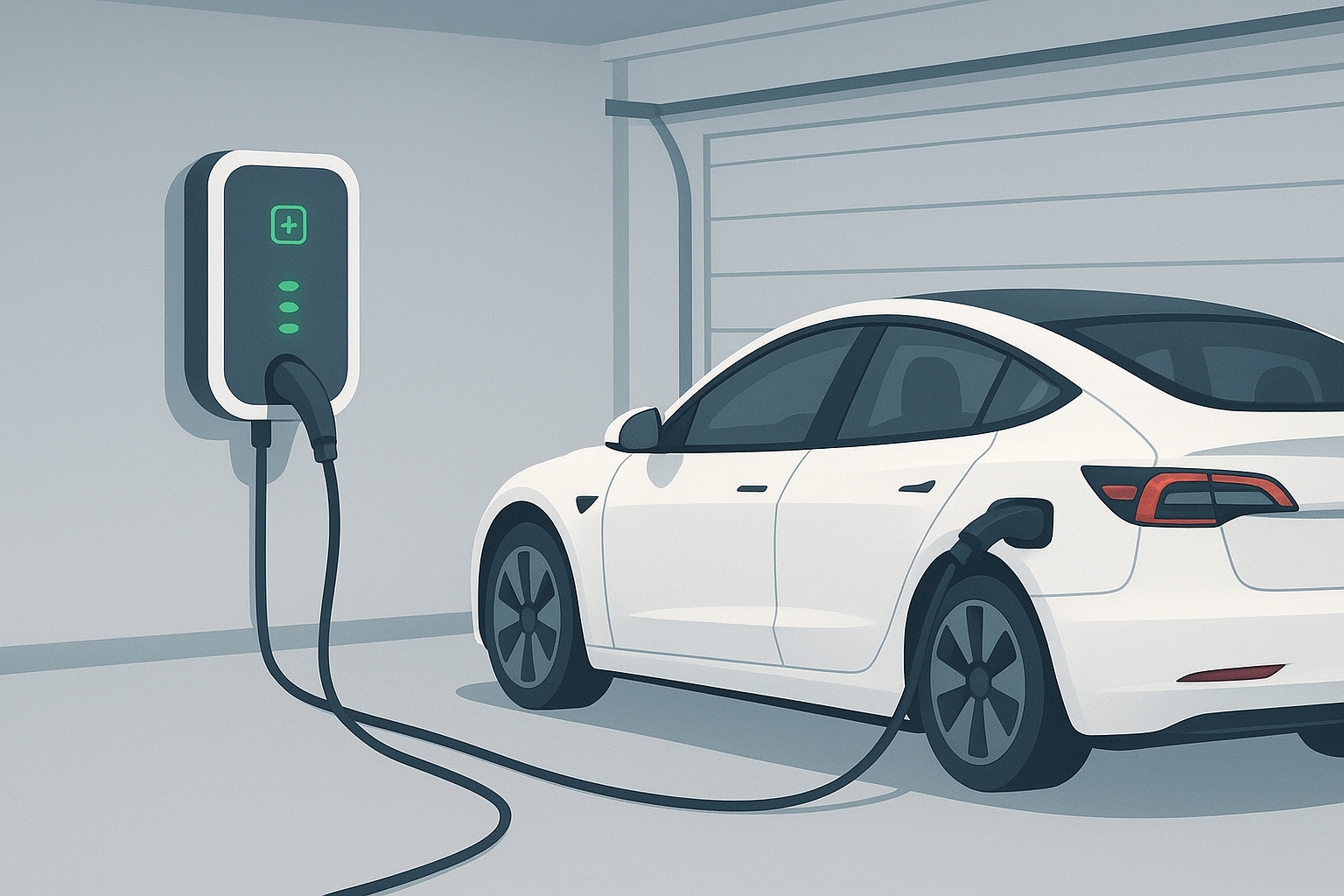
Limitations of Regular Outlet Charging
-
Slow charging speed: A full charge on a large EV battery can take more than 24 hours using a regular outlet, which is impractical if you need to use your car frequently.
-
Variable outlet quality: Not all home outlets—and the wiring behind them—are designed for continuous high-power use, which increases the risk of overheating or electrical faults.
-
Safety concerns: Using a regular outlet for EV charging without the right equipment or inspection can pose fire risks.
Safety Tips for Charging at Home
-
Always use a certified EV charging cord and plug designed for your vehicle and outlet type.
-
Have your home's electrical system checked by a qualified electrician before charging regularly to ensure wiring can handle extended charging times safely.
-
Avoid using extension cords, as they may not safely handle the current and could overheat.
-
Charge in a well-ventilated area and keep an eye on the charging equipment during use.
Better Home Charging Solutions
For faster and safer home charging, many EV owners install a dedicated Level 2 home charger or wallbox. These chargers operate on 240 volts (in most countries) and can supply between 3.7 to 22 kilowatts of power, significantly reducing charging times to 4–8 hours depending on your vehicle and charger capacity.
Benefits of a dedicated home charger include:
-
Faster charging: Get a full charge more quickly, enabling longer daily travel.
-
Increased safety: These stations come with built-in safety features like overload protection and temperature monitoring.
-
Smart controls: Many allow you to schedule charging or monitor energy use via smartphone apps.
-
Improved energy management: Integration with solar panels or home batteries is often possible.
Final Thoughts
Charging your electric vehicle at home with a regular power outlet is possible and convenient for occasional or low-mileage drivers. However, for regular use and to maximize safety and convenience, investing in a proper home EV charging station is highly recommended.
Thinking about switching to electric and want to know the best home charging options for your lifestyle and vehicle? Exploring your home electrical setup and EV model specifics can help you make the smartest choice to enjoy smooth, eco-friendly driving for years to come.