
The rapid growth of electric vehicles (EVs) has put a spotlight on charging infrastructure, which plays a crucial role in how conveniently and efficiently these vehicles can be powered. When it comes to charging solutions, there are two main options available: traditional EV chargers and smart chargers. This article explores the key differences between them from multiple angles—including their functions, efficiency, safety features, smart controls, and future readiness. The goal is to help readers understand how these technologies compare and which might suit their needs best.
What Are EV Chargers and Smart Chargers?
Traditional EV chargers, often called “dumb chargers,” primarily serve one purpose: deliver electricity to an EV’s battery. They are simple devices without networking capabilities or remote control functions. Once plugged in, they start charging at a fixed rate without any further interaction or adjustment, offering a straightforward “plug and charge” experience.
Smart chargers take things a step further by integrating communication technologies and software intelligence. These chargers connect to the internet via Wi-Fi or cellular networks and offer real-time monitoring and control. They enable users to remotely start, stop, or schedule charging sessions and manage charging speeds based on factors like electricity pricing and grid demand. In other words, smart chargers add a layer of adaptability and optimization to the charging process.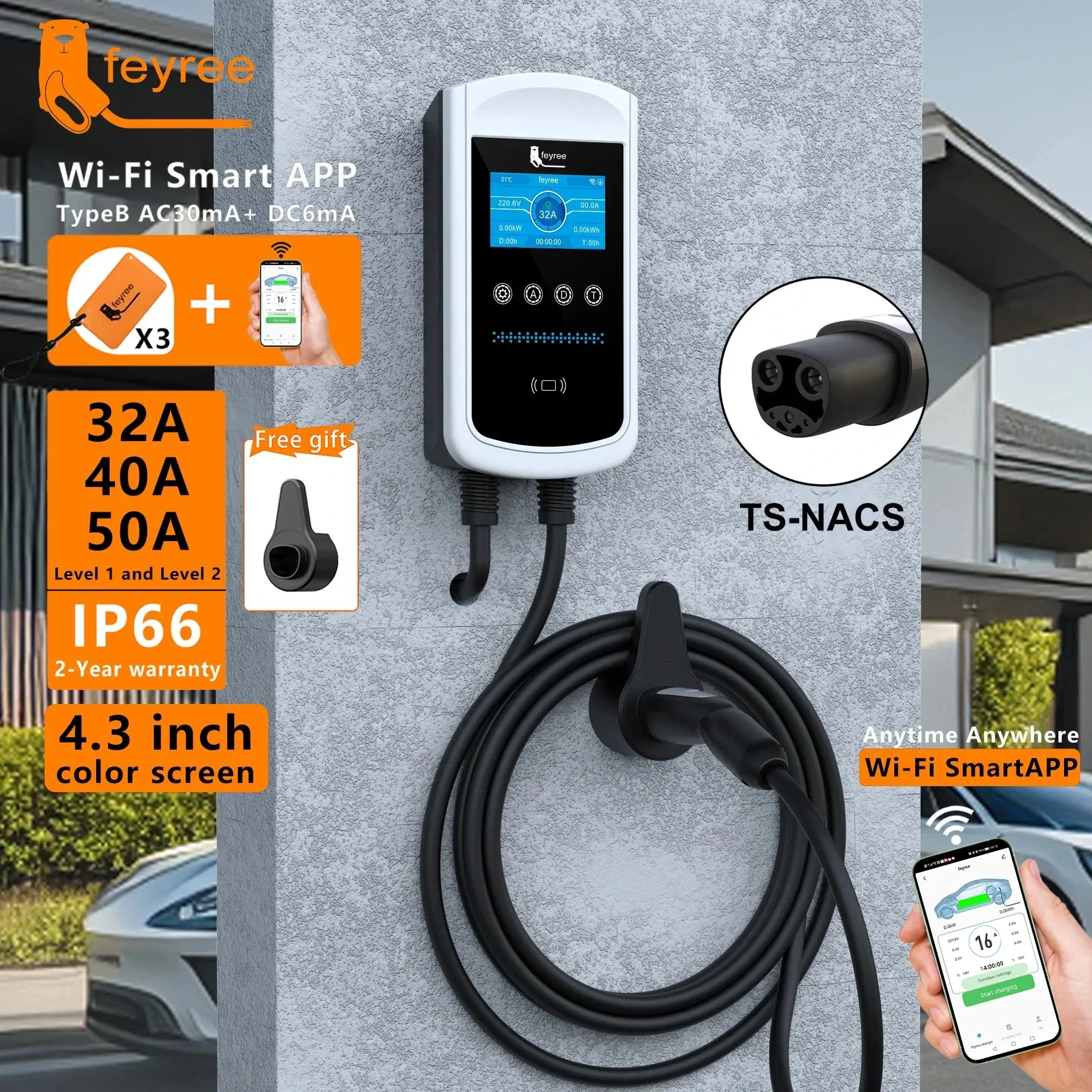
Charging Speed and Efficiency
One of the most noticeable differences lies in charging speed. Traditional chargers, especially Level 1 home chargers, operate at relatively low power levels (around 1.8 kW), often requiring 8 to 12 hours for a full charge. This setup suits overnight charging when speed isn’t a priority.
Smart chargers typically support higher power outputs—ranging from 3.6 kW to 7 kW or more—which can significantly shorten charging times. Beyond raw power, their ability to adjust charging rates dynamically based on household energy usage or grid conditions improves overall efficiency, preventing overloads and lowering electricity costs.
Intelligent Controls and Remote Management
The heart of smart chargers is their connectivity. Through companion apps, users can remotely monitor charging status, track energy consumption, and set charging schedules to capitalize on off-peak electricity rates. This personalization not only saves money but also maximizes convenience by letting drivers charge on their own terms.
In contrast, traditional EV chargers lack any form of connectivity or smart features. Charging is an entirely manual process triggered by plugging in the car, with no way to monitor or modify the session remotely.
Battery Health and Safety
Charging isn’t just about speed; it’s also about protecting your vehicle’s battery. Smart chargers excel here by using multi-stage charging techniques and continuously monitoring battery temperature, voltage, and current. This intelligent management helps prevent overheating and overcharging, which can degrade battery life and pose safety risks. Many smart chargers also feature automated fault detection and alerts, as well as remote diagnostics.
Traditional chargers, on the other hand, maintain fixed charging parameters without real-time adjustments, increasing the risk of battery stress or damage over time.
Energy Efficiency and Green Benefits
Smart chargers contribute to greener energy use by implementing dynamic load balancing, which optimizes total electrical consumption across a home or commercial site. They can also integrate with renewable energy sources—like solar panels—to prioritize clean electricity for vehicle charging, lowering overall carbon footprints.
Traditional chargers lack these abilities, leading to less efficient power use and greater reliance on grid electricity during peak demand periods.
Adaptability and Future-Proofing
As electric grids and smart home technologies evolve, smart chargers stand ready for the future. They support various battery chemistries and can connect with home energy management systems, enabling features like vehicle-to-grid (V2G) or vehicle-to-home (V2H) power feedback—which turn EVs into potential energy storage assets.
Traditional chargers are limited to fixed functionalities and cannot be upgraded or integrated with emerging energy technologies, making them less suitable for long-term smart energy ecosystems.
Final Thoughts
In summary, while traditional EV chargers provide a simple and economical way to power electric cars, smart chargers deliver a suite of added benefits—including faster charging, remote control, enhanced battery safety, and greener energy use. The added convenience and cost savings from intelligent management often outweigh the higher upfront investment in a smart charger.
The choice between them depends largely on individual needs: budget-conscious users who mostly charge overnight may find a traditional charger sufficient, whereas those seeking efficiency, flexibility, and future readiness will appreciate the advanced features of smart chargers.
Understanding these differences empowers EV owners to choose a charger that aligns with their lifestyle, driving habits, and sustainability goals. As electric mobility advances, smart charging technology is clearly paving the way toward smarter, cleaner, and more user-friendly transportation.